



Black cotton rock wool board represents a specialized category of mineral fiber insulation distinguished by its dark appearance, fine fiber structure, and exceptional thermal-acoustic performance combination. The distinctive black coloration results from graphite additives or specialized coating formulations that enhance UV resistance, thermal emissivity, and aesthetic integration in exposed-installation applications. This article examines the characteristics, applications, and performance benefits of black cotton rock wool board for industrial and commercial insulation projects.
What Is Black Cotton Rock Wool Board?
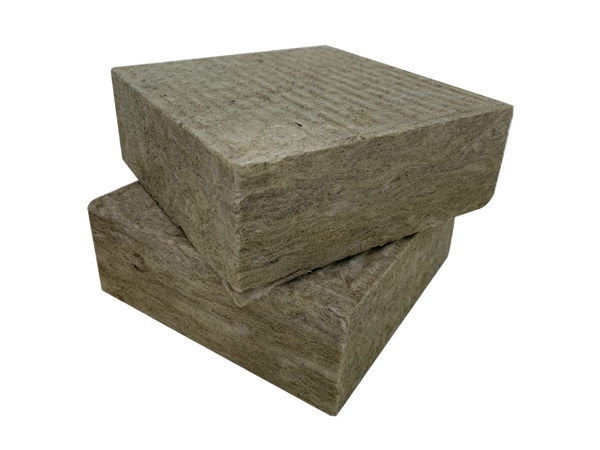
Black cotton rock wool board is manufactured using a fine-fiber spinning process that produces mineral wool fibers with diameters typically ranging from 2 to 5 micrometers. The resulting fiber structure resembles cotton in its softness and flexibility, which is the origin of the "cotton" designation. Graphite infusion or specialized coating treatments provide the characteristic dark coloration while improving specific performance characteristics.
The fine fiber structure contributes to superior acoustic absorption across a broad frequency range, with noise reduction coefficients (NRC) of 0.85 to 1.10 depending on density and thickness. This acoustic performance makes black cotton rock wool board particularly valued in applications where thermal insulation and sound attenuation are equally important design requirements.
Fire Resistance Properties and Ratings
Like standard rock wool, black cotton rock wool board achieves A1 non-combustible classification under EN 13501-1, confirming zero contribution to fire growth and negligible smoke development. The graphite additives used for coloration do not compromise fire performance; in some formulations, graphite's thermal stability and ablative properties actually enhance fire resistance characteristics.
Fire resistance system ratings up to 240 minutes are achievable with certified black cotton rock wool board assemblies in accordance with EN 1364-1 and EN 1365-1 test protocols. These ratings make the material suitable for fire compartmentation, structural fire protection, and escape route specification in commercial buildings and industrial facilities.
Industrial Oven and Furnace Applications
High-temperature industrial processes including metal heat treatment, ceramics firing, and chemical processing require insulation systems capable of sustained operation at elevated temperatures. Black cotton rock wool board, rated for continuous service temperatures up to 650°C in standard grades and specialized formulations exceeding 750°C, provides reliable thermal insulation for industrial oven and furnace casings.
The fine fiber structure and flexible handling characteristics allow effective insulation of curved and irregular surfaces common in furnace door assemblies, burner shrouds, and combustion chamber linings. Thermal shock resistance—resistance to cracking or delamination during rapid temperature cycling—makes black cotton rock wool particularly suitable for batch-process ovens subject to frequent thermal transients.
Fire-Rated Ductwork Systems
Black cotton rock wool board serves critical functions in fire-rated HVAC ductwork applications. Fire-rated ducts maintain their structural integrity during building fires, preventing smoke and flame spread through ventilation systems that would otherwise act as fire pathways. Systems incorporating black cotton rock wool board insulation achieve fire resistance ratings of E 120 to E 240 (integrity only) or EI 60 to EI 240 (integrity and insulation) per EN 1366-1.
These systems are mandatory in high-rise buildings, hospitals, underground car parks, and commercial complexes where HVAC ductwork penetrates fire-rated compartment walls and floors. The black cotton board's acoustic dampening properties additionally reduce duct-borne noise, eliminating the need for separate acoustic silencers in many applications.
Commercial Kitchen Fire Barriers
Commercial kitchen exhaust systems present unique insulation challenges combining high grease-laden airflow temperatures, fire risk from cooking oils and fats, and strict hygiene requirements. Black cotton rock wool board with appropriate stainless steel or aluminum cladding provides fire-resistant thermal insulation for kitchen hoods, plenum chambers, and exhaust ductwork.
The material's non-combustible nature prevents fire propagation through the exhaust system, while its thermal insulation properties protect structural building elements from heat exposure during cooking fire events. European standard EN 1366-13 specifies testing requirements for commercial kitchen exhaust fire protection systems, and black cotton rock wool board products are qualified for these applications.
Power Generation Facility Applications
Power generation facilities—including conventional thermal plants, renewable energy installations, and nuclear facilities—specify black cotton rock wool board for multiple insulation applications. Turbine insulation, boiler lagging, steam pipe cladding, and hot gas path component insulation all benefit from the material's combination of thermal efficiency, fire safety, and acoustic performance.
The fine fiber structure of black cotton rock wool absorbs equipment noise from turbines, generators, and combustion equipment, contributing to facility compliance with occupational noise exposure limits specified in OSHA 1910.95 and equivalent international standards. Combined with thermal insulation function, this dual-purpose performance reduces total insulation material requirements and associated installation costs.
Installation Considerations and Best Practices
Black cotton rock wool board installation follows standard mineral wool installation procedures with specific attention to joint sealing and mechanical securement for high-performance applications. Adhesive application at manufacturer-specified coverage rates, combined with mechanical fasteners at 300-450 mm centers, ensures permanent securement and prevents slippage or settling over the service life.
For outdoor or high-humidity applications, specification of factory-applied or field-installed vapor barriers and weather barriers prevents moisture ingress that could compromise thermal performance and promote substrate corrosion. Stainless steel or aluminum jacketing provides durable weather protection while maintaining the clean appearance suitable for exposed installations.
Conclusion
Black cotton rock wool board offers a versatile combination of fire resistance, thermal efficiency, and acoustic performance that serves diverse industrial and commercial applications. Its A1 non-combustible classification, high-temperature capability, and fine fiber structure make it particularly valuable in fire-rated ductwork systems, industrial ovens, commercial kitchen fire protection, and power generation facilities. As fire safety regulations continue to tighten and acoustic comfort standards rise, black cotton rock wool board provides an established, tested, and specification-compliant solution for demanding insulation applications.
References
1. EN 1366-1:2014, "Fire Resistance Tests for Service Installations — Ducts," European Committee for Standardization, Brussels, 2014.
2. EN 1364-1:2014, "Fire Resistance Tests for Non-Loadbearing Elements — Walls," European Committee for Standardization, Brussels, 2014.
3. EN 13501-1:2007+A1:2009, "Fire Classification of Construction Products and Building Elements," European Committee for Standardization, Brussels, 2009.
4. ASTM E119-20, "Standard Test Methods for Fire Tests of Building Construction and Materials," ASTM International, West Conshohocken, PA, 2020.
5. ISO 834-1:1999, "Fire-Resistance Tests — Elements of Building Construction," International Organization for Standardization, Geneva, 1999.