



Formaldehyde free glass wool board benefits for safe buildings
Formaldehyde free glass wool board benefits for safe buildings are increasingly important as environmental regulations and indoor air quality standards become stricter.
What is formaldehyde free glass wool board
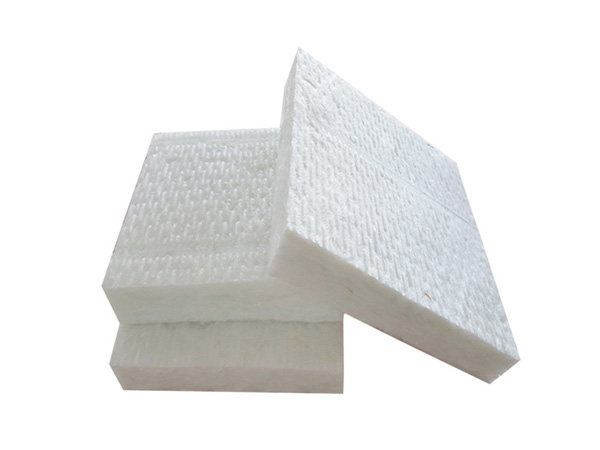
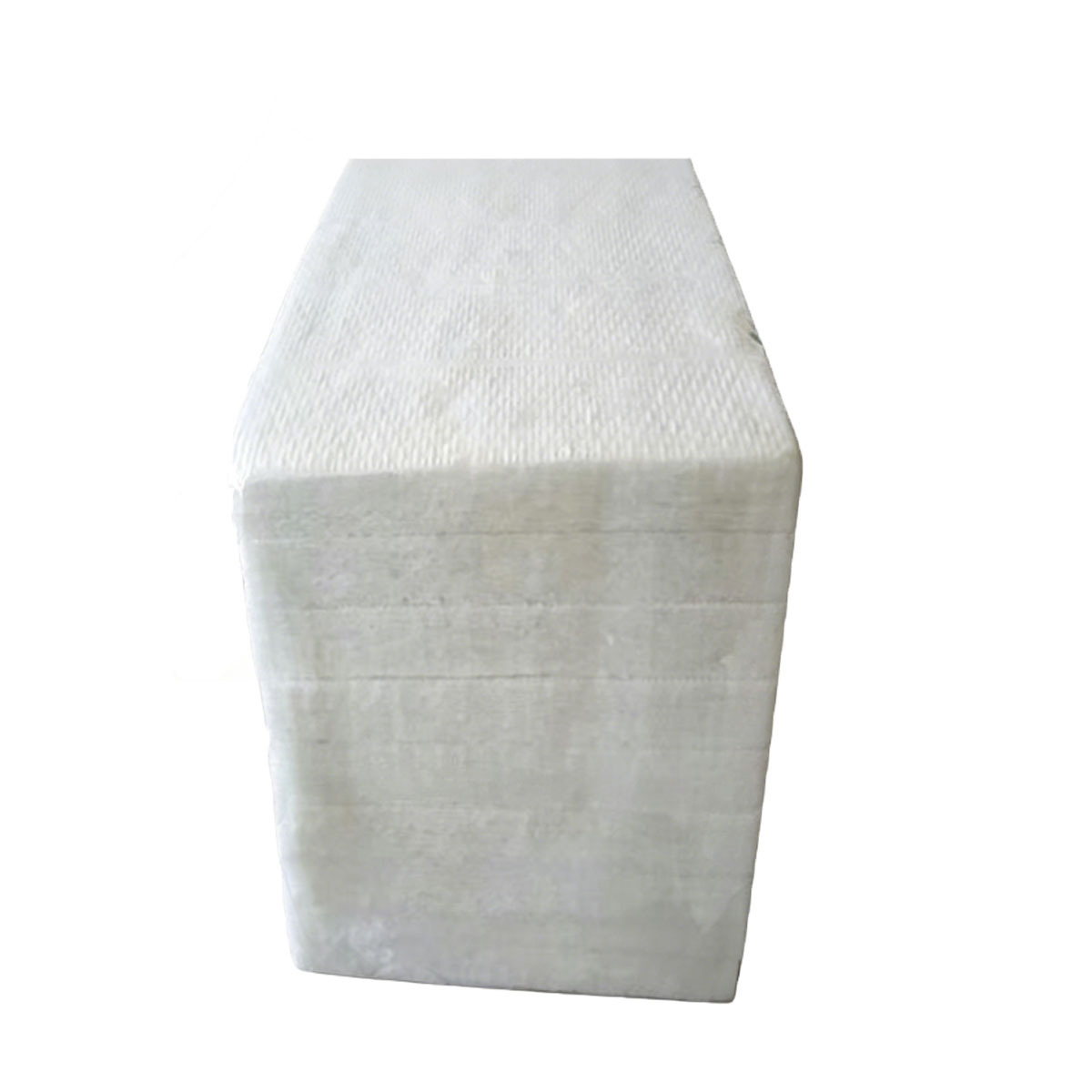
Formaldehyde free glass wool board refers to insulation materials manufactured without traditional phenol formaldehyde binders. Instead, alternative binding technologies are used to maintain fiber structure while reducing emissions.
This innovation directly addresses concerns about volatile organic compounds in indoor environments.
Impact on indoor air quality
Indoor air quality is a major factor in building design. Traditional insulation materials may release trace amounts of formaldehyde, which can accumulate in enclosed spaces.
Formaldehyde free glass wool board significantly reduces this risk, contributing to healthier indoor environments, particularly in residential and commercial buildings.
Health and safety advantages
Glass wool fibers are widely used in insulation, but binder composition plays a critical role in overall safety.
Studies on fiber characteristics highlight the importance of controlling airborne particles and emissions to minimize respiratory exposure risks.
Using formaldehyde free binders enhances safety by eliminating a known irritant from the material composition.
Environmental sustainability benefits
Sustainability is a key driver in modern construction. Glass wool is often produced using recycled glass and energy-efficient manufacturing processes.
Formaldehyde free versions further improve environmental performance by reducing chemical emissions during both production and use phases.
Thermal and acoustic performance
Importantly, removing formaldehyde does not compromise insulation performance.
Glass wool maintains its low thermal conductivity and sound absorption capabilities due to its fibrous structure and air pocket design.
This ensures that environmental benefits do not come at the cost of technical performance.
Compliance with green building standards
Formaldehyde free insulation materials are often required for certifications such as LEED and other green building standards.
Using such materials helps projects meet strict environmental and health criteria, improving overall building value.
Application scenarios
Typical applications include:
Residential buildings with high indoor air quality requirements
Hospitals and healthcare facilities
Schools and public buildings
Green-certified commercial projects
These environments demand both safety and performance.
Long term reliability
Durability remains a key concern. Glass wool insulation has been proven to maintain its structural integrity and performance over long periods when properly installed.
Formaldehyde free variants retain these same characteristics, ensuring long-term reliability.
Conclusion
Formaldehyde free glass wool board benefits for safe buildings clearly show that it is not only a safer alternative but also a forward-looking solution aligned with global sustainability and health trends.
References
NCBI Report on Glass Fiber Safety
ISOVER Glass Wool Technical Data
Research on Indoor Air Quality and Insulation Materials