



Energy consumption is one of the largest controllable operating costs for any factory or warehouse operation. Heating, cooling, and ventilation account for a substantial share of total energy use—and in steel structure buildings without adequate insulation, a disproportionate amount of that energy is wasted through the roof and walls. Steel structure insulation is the most direct and cost-effective way to reduce this waste, delivering measurable energy savings that compound year after year. This guide examines practical energy saving solutions for steel structure projects, written from the perspective of a manufacturer that supplies glass wool insulation products to factories and warehouses across multiple industries.
The Energy Loss Problem in Uninsulated Steel Buildings
A steel building without adequate steel structure insulation behaves like a thermos with no lid—continuously exchanging heat with the outdoor environment regardless of whether the building is being heated or cooled. In winter, the heating system works continuously to compensate for heat escaping through the uninsulated roof and walls. In summer, the cooling system fights against solar heat that pours through the metal envelope. This energy loss is not a minor inefficiency—it can account for 40-70% of total building energy consumption in extreme cases.
The financial impact of this energy waste is significant. For a 3000 m² steel factory in a temperate climate, the additional energy cost of operating without adequate steel structure insulation can exceed tens of thousands of dollars per year compared to a properly insulated equivalent. This cost is not a one-time event—it recurs every year for the entire operating life of the building, making the case for insulation investment compelling on purely financial grounds alone.
How Steel Structure Insulation Reduces Energy Consumption
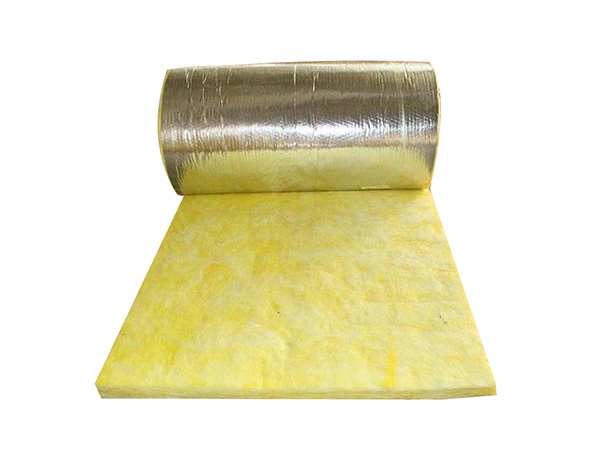
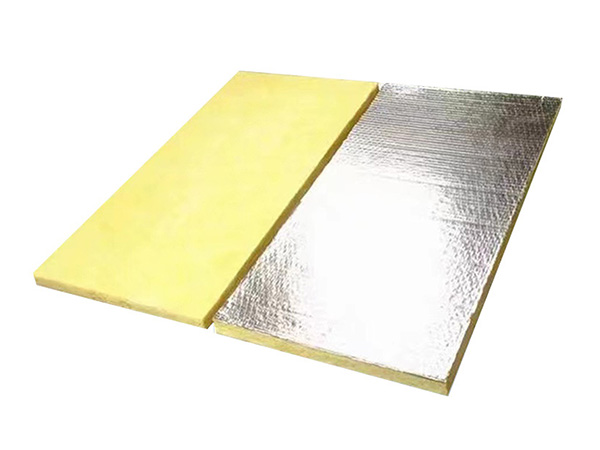
Quality steel structure insulation reduces energy consumption through a straightforward physical mechanism: it introduces a layer of high thermal resistance between the interior and exterior of the building, dramatically slowing the rate at which heat flows through the building envelope. The thermal conductivity of standard glass wool products ranges from 0.033 to 0.040 W/mK—meaning even a 100 mm layer provides substantial thermal resistance that significantly reduces heat transfer.
In practical terms, adding 100-150 mm of glass wool steel structure insulation to an uninsulated factory roof typically reduces heating energy consumption by 65-75% and cooling energy consumption by 45-60%. These are not marginal improvements—they represent a step-change in building energy performance that directly and immediately reduces the operating cost of the facility. Our manufacturing team provides thermal performance data and energy modeling support to help project teams quantify the expected savings for their specific building design and climate conditions.
The Financial Case: Payback Period and Return on Investment
The investment case for steel structure insulation is straightforward to quantify. The total installed cost of quality glass wool insulation for a typical factory roof ranges from $8 to $15 per square meter depending on thickness and specification. Against this investment, annual energy savings of $3 to $8 per square meter are typical for temperate climate factories with moderate heating and cooling demands—producing a simple payback period of 18-36 months.
After the payback period, the insulation continues to save energy for 25-50 years—the documented service life of quality steel structure insulation products. Over this extended service life, the total energy savings typically exceed the initial insulation investment by a factor of 5-10 times. For factory operators evaluating capital investments, this return profile is among the most attractive available—comparable to or better than most equipment upgrades, with the added benefit of requiring no maintenance or operational intervention to deliver the savings.
Beyond Energy: Additional Value From Steel Structure Insulation
While energy saving solutions focus on operating cost reduction, the value of steel structure insulation extends to several other areas that building owners and operators should factor into their investment analysis. Condensation elimination protects the structural integrity of metal roof panels, extending roof service life and avoiding costly premature replacement. Improved thermal comfort supports workforce productivity and reduces sick days associated with thermal discomfort. Non-combustible fire performance can qualify the building for reduced insurance premiums and supports compliance with increasingly stringent building energy and fire safety codes.
These additional value streams are often overlooked in initial specification decisions but represent meaningful financial benefits over the building's operating life. Our technical team incorporates these factors into the total value analysis we provide to project customers considering their steel structure insulation options.
Specification Options: Matching Insulation to the Project
Different steel structure projects have different insulation requirements. A temperature-controlled pharmaceutical warehouse has very different needs from a naturally ventilated agricultural storage facility. A high-bay factory with significant internal heat generation requires different steel structure insulation thinking than a low-bay warehouse with minimal internal loads. Our manufacturer team works with project specifiers to understand the building's thermal profile, operating conditions, and performance priorities before recommending the most appropriate insulation specification.
For most standard factory and warehouse applications, foil-faced glass wool steel structure insulation in thicknesses of 100-150 mm provides the optimal balance of thermal performance, cost, and installation speed. For cold storage, refrigerated, or temperature-controlled facilities, we supply higher-density products and thicker specifications matched to the specific operating temperature and humidity conditions.
Working With a Manufacturer on Energy Saving Solutions
Our approach as a glass wool insulation manufacturer goes beyond simply supplying products. We support project teams in optimizing their energy saving solutions by providing thermal modeling data, energy savings projections, and specification guidance that ensures the insulation investment delivers the maximum possible return. Our supply chain infrastructure ensures reliable delivery to project sites throughout the region, with inventory management systems that prevent stockouts on long-lead projects.
We have supplied steel structure insulation products to factory and warehouse projects across multiple industrial sectors, building long-term relationships with contractors, specifiers, and building owners who return to us for subsequent projects based on the performance they experience with our products.
FAQ
Q1: How much energy can steel structure insulation actually save?
A: Adding 100-150 mm of quality steel structure insulation to an uninsulated factory typically reduces heating energy consumption by 65-75% and cooling consumption by 45-60%, translating to annual savings of $3-$8 per square meter depending on climate and energy prices.
Q2: What is the payback period for steel structure insulation investment?
A: Typical payback periods range from 18-36 months for quality glass wool steel structure insulation, after which the insulation continues to save energy for 25-50 years of additional service.
Q3: Does steel structure insulation help with summer cooling as well as winter heating?
A: Yes. Steel structure insulation reduces heat gain from solar radiation through the roof in summer and heat loss through the envelope in winter—providing energy savings in both heating and cooling modes.
Q4: What additional benefits does steel structure insulation provide beyond energy savings?
A: Steel structure insulation also eliminates interior condensation, extends roof service life, improves worker thermal comfort and productivity, and provides non-combustible A1 fire protection that may qualify the building for reduced insurance premiums.
Q5: Can the manufacturer provide projected energy savings data for my specific project?
A: Yes. Our technical team provides thermal performance data and energy savings projections based on the specific building design, climate zone, and operating conditions for each project enquiry.
Conclusion
Steel structure insulation represents one of the highest-return investments available to factory and warehouse operators seeking to reduce energy costs and improve building performance. The combination of substantial energy savings, fast payback periods, long service life, and additional value streams in condensation protection, fire safety, and worker comfort makes glass wool insulation the preferred specification for steel structure projects across the industrial sector. Working with an experienced insulation manufacturer ensures that the specification is optimized for the specific project requirements, the supply is reliable, and the technical support is available to maximize the return on the insulation investment over decades of service.
References
1. ISO 15686-5:2017, "Buildings and Constructed Assets — Service Life Planning — Part 5: Life-Cycle Costing," International Organization for Standardization, Geneva, 2017.
2. EN 15459-1:2017, "Energy Performance of Buildings — Economic Evaluation Procedure for Energy Systems in Buildings — Part 1: Calculation Procedures," European Committee for Standardization, Brussels, 2017.
3. ASHRAE Handbook — Fundamentals, Chapter 26: Insulation for Mechanical Systems, American Society of Heating, Refrigerating and Air-Conditioning Engineers, Atlanta, GA, 2021.
4. CIBSE Guide F: Energy Efficiency in Buildings, Chartered Institution of Building Services Engineers, London, 2019.
5. Jelle, B.P. (2011). "Traditional, state-of-the-art and future thermal building insulation materials." Energy and Buildings, 43(10), 2547-2564.