



Selecting the best steel building insulation blanket for a metal frame project is one of the most consequential decisions in the building design process. The insulation specification determines the building's energy consumption, occupant comfort, fire safety rating, and maintenance costs over its entire operating life—often 25-50 years. Yet many project owners and procurement teams approach this decision without the technical context needed to distinguish genuinely superior products from marketing claims. This guide from our perspective as an experienced insulation supplier explains exactly what to look for when evaluating insulation solutions for steel frame buildings.
Why the Steel Building Insulation Blanket Decision Matters Long-Term
The installed insulation system is one of the few building components that touches every square meter of the roof and walls, continuously affecting energy consumption, interior climate, and structural protection throughout the building's life. A marginal saving on the initial insulation purchase price becomes a false economy if the product fails within 10 years or performs 20% below specification, resulting in excessive energy bills that compound month after month.
Working with a reputable insulation supplier who can demonstrate documented performance data, third-party certification, and a track record of supplying similar projects ensures that the steel building insulation blanket specified delivers its promised performance over decades of service. The difference between a quality product and a marginal one is rarely visible at the point of purchase—but it becomes unmistakable over the building's operating life.
Thermal Performance: Getting the Numbers Right
The thermal conductivity value (lambda value) of the steel building insulation blanket is the primary technical indicator of insulation quality. Quality glass wool products achieve thermal conductivity of 0.033-0.038 W/mK at a mean temperature of 10°C. The lower this value, the better the insulation resists heat flow. Be wary of products that do not provide third-party verified thermal conductivity test data from accredited laboratories.
Beyond the lambda value, pay attention to the installed U-value of the complete roof or wall assembly—not just the insulation material alone. The U-value accounts for the effect of structural penetrations (purlins, fasteners) and any compression of the insulation at those points. Our technical team provides full U-value calculations for every project specification, accounting for the specific purlin geometry and fastener pattern of the building design.
Fire Performance: Non-Combustibility Is Non-Negotiable
For any building housing people, equipment, or inventory, the fire performance of the steel building insulation blanket must be verified against recognized standards. Look for A1 classification under EN 13501-1 or equivalent Flame Spread Index and Smoke Developed Index ratings under ASTM E84. These ratings confirm that the insulation material does not contribute to fire growth, flame spread, or smoke production in the event of a fire.
Our steel building insulation blanket products are manufactured with a non-combustible mineral fiber core that has been tested and certified to A1 classification. This certification is particularly important for factory and warehouse buildings where the fire risk profile is elevated by the presence of manufacturing processes, stored materials, and electrical equipment. As a responsible insulation supplier, we provide complete fire classification documentation for all project submissions.
Moisture Resistance: Protecting the Building Envelope
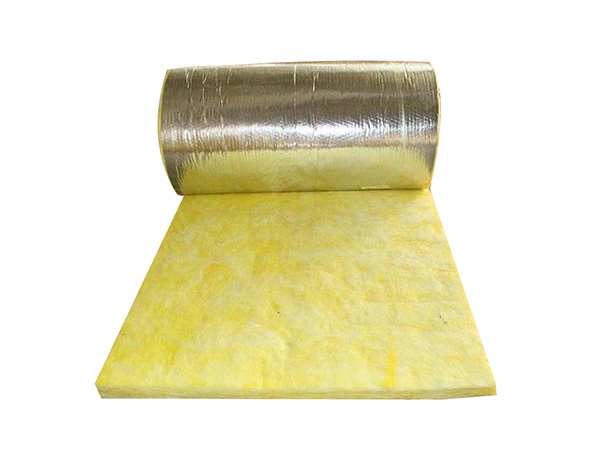
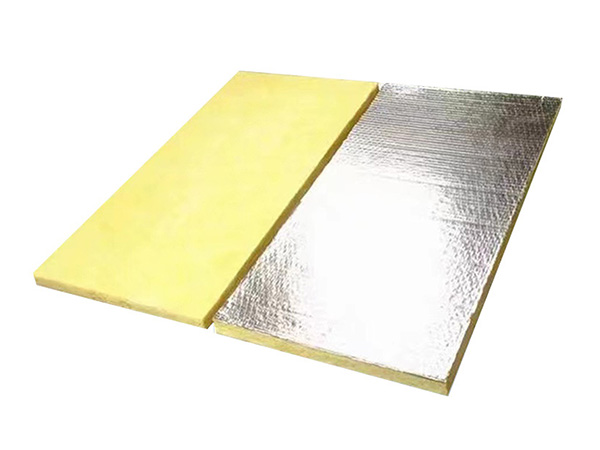
Moisture is the primary cause of premature insulation failure in steel frame buildings. When water vapor penetrates the insulation and condenses on the cold metal roof surface, it causes corrosion that weakens the roof panels and eventually compromises the structural integrity of the building. The best steel building insulation blanket products address this risk through factory-applied aluminum foil facing that provides a continuous vapor retarder across the entire insulation plane.
The foil facing should be applied under controlled factory conditions to ensure consistent quality and adhesion across the full product width. Inferior products with manually applied or loosely attached foil facings can delaminate over time, creating gaps in the vapor retarder that allow moisture ingress. Our manufacturing process applies foil facing as an integral part of the production line, ensuring consistent quality and reliable long-term vapor retarder performance.
Value Over Price: Total Installed Cost Comparison
The best steel building insulation blanket is not necessarily the cheapest product on the market—it is the one that delivers the lowest total cost over the building's life. Total installed cost includes material cost, installation labor, vapor retarder materials, and the impact of insulation weight on structural steel requirements. Ongoing costs include energy consumption, maintenance, and eventual replacement.
Our insulation supplier team prepares total cost of ownership analyses for every major project, comparing the installed cost against the projected energy savings and expected service life for each insulation option. These analyses consistently show that glass wool blanket products—despite being among the most competitively priced materials—deliver the best return on investment due to their low thermal conductivity, long service life, and minimal maintenance requirements.
Technical Support and Project Service From Your Supplier
The value of working with an experienced insulation supplier extends beyond the product itself. Our technical team supports project specifiers through every stage of the procurement process—from initial product selection and specification writing, through thermal and condensation calculations, to installation guidance and quality verification. We maintain certified test reports, environmental product declarations, and fire classification certificates for all products, available for immediate submission to project consultants and building control authorities.
For large-scale projects, we coordinate logistics to ensure steel building insulation blanket deliveries arrive on site in the sequence required by the construction program, minimizing material handling on site and reducing the risk of installation delays due to product availability.
FAQ
Q1: What makes a steel building insulation blanket the best choice for a factory project?
A: The best steel building insulation blanket combines low thermal conductivity, A1 non-combustible fire classification, factory-applied vapor retarder, and documented long-term durability—all supplied by an insulation supplier with proven experience in industrial building projects.
Q2: How does glass wool compare to other insulation materials for steel frame buildings?
A: Glass wool blanket products offer comparable or superior thermal performance to most alternatives at significantly lower installed cost, with faster installation, lighter weight, and non-combustible fire performance that many alternatives cannot match.
Q3: What documentation should a steel building insulation blanket supplier provide?
A: Request thermal conductivity test reports from accredited laboratories, fire classification certificates, vapor retarder performance data, and environmental product declarations. Our insulation supplier team provides all documentation as standard for project submissions.
Q4: Can the insulation supplier help with U-value and condensation calculations?
A: Yes. Our technical team provides full thermal and condensation risk calculations for every project specification, confirming that the steel building insulation blanket meets project energy code requirements and eliminates condensation risk under the design conditions.
Q5: What lead time should I expect from an insulation supplier for a large factory project?
A: Standard specifications are typically available within 3-7 working days from our stock. Large volume orders or custom dimensions require 10-15 working days. We coordinate delivery scheduling with the project construction program to ensure materials arrive when needed.
Conclusion
Finding the best steel building insulation blanket for a steel frame project requires looking beyond the initial price tag to evaluate thermal performance, fire safety, moisture resistance, and the quality of technical support provided by the insulation supplier. The products that perform best over a 25-50 year building life are those backed by certified test data, manufactured with consistent quality, and supported by a supplier team that understands the specific requirements of industrial building applications. Our experience supplying glass wool blanket products to factory projects across multiple industries confirms that this approach delivers the best outcome for project owners, contractors, and building occupants alike.
References
1. EN 13162:2012+A1:2015, "Thermal Insulation Products for Buildings — Factory Made Glass Wool (GW) Products — Specification," European Committee for Standardization, Brussels, 2015.
2. ISO 6946:2017, "Building Components and Building Elements — Thermal Resistance and Thermal Transmittance — Calculation Methods," International Organization for Standardization, Geneva, 2017.
3. EN 13501-1:2018, "Fire Classification of Construction Products and Building Elements — Part 1: Classification Using Data from Reaction to Fire Tests," European Committee for Standardization, Brussels, 2018.
4. CIBSE Guide F: Energy Efficiency in Buildings, Chartered Institution of Building Services Engineers, London, 2019.
5. ASHRAE Standard 90.1-2022, "Energy Standard for Buildings Except Low-Rise Residential Buildings," American Society of Heating, Refrigerating and Air-Conditioning Engineers, Atlanta, GA, 2022.