



Glass wool industrial insulation is a critical component in process plants, power generation facilities, and manufacturing operations where thermal efficiency, personnel protection, and equipment reliability depend on effective insulation systems. While glass wool is widely used in commercial building applications, its industrial applications demand higher performance specifications, stricter quality standards, and more rigorous installation practices. This guide covers the primary industrial applications of glass wool industrial insulation, specification criteria, and selection methodology for procurement and engineering teams.
Industrial vs. Commercial Insulation Requirements
Industrial insulation applications impose significantly more demanding performance requirements than commercial building envelope insulation. Process temperatures regularly exceed 150°C in industrial settings—well above the range for which standard building insulation is designed. Vibration from rotating equipment, thermal cycling from process upsets, and exposure to chemicals or cleaning agents further test insulation system durability.
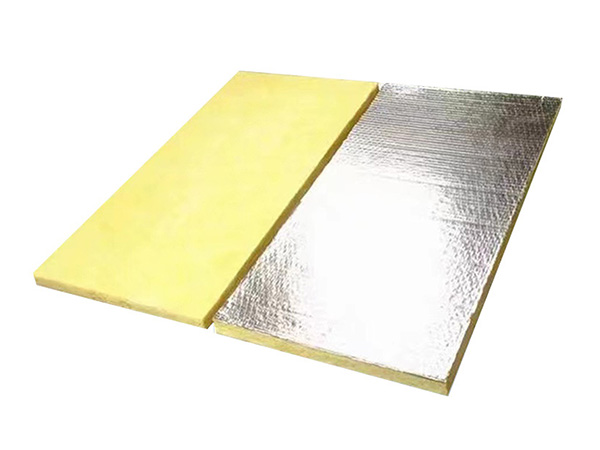
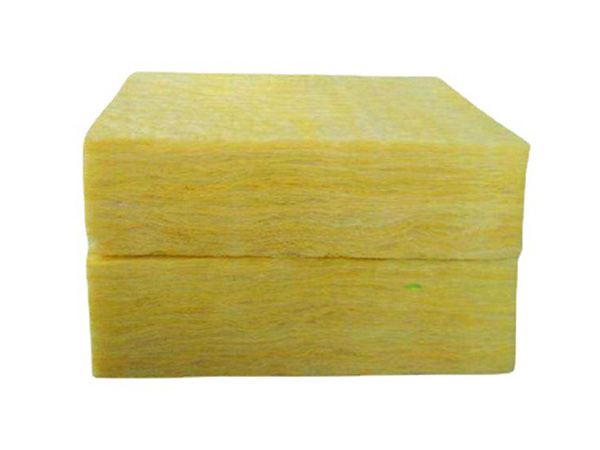
Glass wool industrial insulation products are manufactured to more stringent density, compressive strength, and dimensional stability specifications than building-grade materials. Industrial-grade glass wool boards typically range from 48 kg/m³ to 120 kg/m³ density—compared to 12-40 kg/m³ for building applications—providing the mechanical robustness required for industrial service.
Additionally, industrial insulation systems must accommodate thermal expansion and contraction of process piping and equipment, often requiring specialized fitting techniques, expansion loops, and flexible connection details that are not encountered in static building applications.
Power Generation and Boiler Insulation
Power plants represent one of the largest application sectors for glass wool industrial insulation. Steam piping, boiler casings, turbine casings, and auxiliary equipment all require thermal insulation to maintain process efficiency and protect personnel.
For steam systems operating below 230°C, glass wool pipe sections and board products provide cost-effective insulation with thermal conductivity of 0.035-0.040 W/mK. Insulation thickness is calculated based on economic thickness principles that balance insulation cost against energy savings over the plant's operating life. Typical steam pipe insulation thicknesses range from 50 mm for small-diameter low-pressure lines to 150 mm for large-diameter high-pressure mains.
Boiler casing insulation using glass wool industrial insulation boards with aluminum or stainless steel jacketing reduces casing heat loss to 50-100 W/m², significantly improving overall plant efficiency. Access panels and removable insulation blankets are used at inspection openings and valve locations to maintain insulation continuity while permitting maintenance access.
HVAC and Process Cooling Insulation
Industrial facilities operate extensive heating, ventilation, and air conditioning systems for both process requirements and occupant comfort. Glass wool industrial insulation for HVAC applications in industrial settings follows the same principles as commercial HVAC insulation but with additional considerations for environmental exposure and system scale.
Large-diameter supply and return air ducts in industrial facilities are insulated with glass wool duct wrap or board products to minimize thermal losses. For process cooling water systems operating at 4-10°C, insulation thickness must be calculated to prevent surface condensation—a critical concern in humid industrial environments where condensation can cause corrosion on adjacent structural steel and electrical equipment.
Chilled water insulation specifications should be verified against ASHRAE 90.1 minimum thickness requirements and project-specific psychrometric conditions. Undersizing chilled water insulation is among the most common industrial insulation failures, leading to surface condensation, mold growth, and energy waste.
Tank and Vessel Insulation Systems
Storage tanks, process vessels, and reactors require insulation to maintain product temperature, prevent freezing, or reduce heat loss/gain depending on service conditions. Glass wool industrial insulation boards and blanket products are applied to tank exteriors using impaling pins welded to the tank shell, secured with speed clips, and finished with weather-resistant jacketing.
For tanks storing hot products (50-200°C), calculate insulation thickness based on economic payback analysis considering fuel cost, operating hours, and insulation cost. For cold storage tanks, the insulation system must incorporate a continuous vapor retarder on the warm side to prevent moisture ingress that would degrade thermal performance and cause external tank corrosion.
Cryogenic tanks operating below 0°C require specialized insulation systems. While glass wool can be used for certain cryogenic applications, closed-cell foam or multi-layer insulation systems are generally preferred for very low-temperature service due to their superior moisture resistance.
Acoustic Control in Industrial Facilities
Industrial facilities generate high noise levels from compressors, fans, pumps, and process equipment that can exceed occupational exposure limits. Glass wool industrial insulation with high-density acoustic grades provides dual-function thermal and acoustic treatment for equipment enclosures, plenum spaces, and building envelopes adjacent to noisy process areas.
Acoustic insulation specifications target the frequency range of the noise source. Low-frequency noise from large rotating equipment requires high-density glass wool products (80-120 kg/m³) at thicknesses of 50-100 mm to achieve meaningful noise reduction. High-frequency noise from pneumatic equipment and steam vents can be controlled with lower-density products at lesser thicknesses.
Specification Standards and Quality Assurance
Glass wool industrial insulation products should comply with ASTM C612 (mineral fiber block and board), ASTM C553 (mineral fiber blanket), or EN 13162 (glass wool products specification) as applicable to the product type and project location. In addition to product standards, specify third-party quality assurance including:
Factory production control certification (ISO 9001 or equivalent)
Declared thermal conductivity values with test reports from accredited laboratories
Fire resistance classification documentation for insulated assemblies
Health and safety data sheets confirming low solubility fiber classification where applicable
For projects targeting certification under ISO 50001 (energy management systems), specify insulation with documented thermal performance and installation verification protocols to support energy baseline establishment and performance monitoring.
FAQ
Q1: What is the maximum service temperature for glass wool industrial insulation?
A: Standard glass wool industrial insulation products are rated for continuous service up to 230°C. High-temperature variants can operate up to 450°C. For applications exceeding these temperatures, rock wool or calcium silicate insulation should be specified.
Q2: How does glass wool compare to rock wool for industrial applications?
A: Glass wool offers lower cost and equivalent thermal performance for applications below 230°C. Rock wool provides higher temperature resistance (up to 750°C), superior compressive strength, and better chemical resistance, making it preferable for high-temperature process insulation and load-bearing applications.
Q3: What insulation thickness is required for condensation control on chilled water pipes?
A: Minimum thickness depends on pipe size, operating temperature, and ambient conditions. For 7°C chilled water in 24°C/50% RH ambient, typical minimum thicknesses are 19 mm for pipes up to 50 mm diameter and 32-38 mm for larger pipes. Always verify against project-specific psychrometric calculations.
Q4: Can glass wool industrial insulation be used in food processing facilities?
A: Yes, with appropriate encapsulation. Specify glass wool products with non-shedding facings and enclosed jacketing systems to prevent fiber release into food processing areas. Some applications may require alternative insulation materials depending on wash-down practices and hygiene requirements.
Q5: How often should industrial insulation be inspected and maintained?
A: Inspect accessible insulation annually and after any maintenance activity that may have disturbed the system. Check for compression, gaps, moisture staining, and jacketing damage. Quality glass wool industrial insulation systems have a service life exceeding 25 years with proper maintenance.
Conclusion
Glass wool industrial insulation provides a versatile, cost-effective, and thermally efficient solution for a wide range of industrial applications below 230°C service temperature. Correct specification—matching product density, thickness, facing, and jacketing to the specific application requirements—combined with quality installation and periodic maintenance, ensures reliable thermal performance and personnel protection throughout the facility's operating life. For applications exceeding glass wool temperature limits or requiring enhanced mechanical properties, rock wool and alternative insulation materials should be evaluated as part of a comprehensive insulation system design.
References
1. ASTM C612-14, "Standard Specification for Mineral Fiber Block and Board Thermal Insulation," ASTM International, West Conshohocken, PA, 2014.
2. ASHRAE Standard 90.1-2022, "Energy Standard for Buildings Except Low-Rise Residential Buildings," American Society of Heating, Refrigerating and Air-Conditioning Engineers, Atlanta, GA, 2022.
3. EN 13162:2012+A1:2015, "Thermal Insulation Products for Buildings — Factory Made Glass Wool (GW) Products — Specification," European Committee for Standardization, Brussels, 2015.
4. ISO 50001:2018, "Energy Management Systems — Requirements with Guidance for Use," International Organization for Standardization, Geneva, 2018.
5. CIBSE Guide F: Energy Efficiency in Buildings, Chartered Institution of Building Services Engineers, London, 2019.