



Glass wool insulation complete guide for beginners
Glass wool insulation complete guide for beginners starts with understanding why this material is widely used across construction and industrial insulation systems.
What is glass wool insulation
Glass wool insulation is a fibrous material produced by spinning molten glass into fine strands and bonding them into a wool-like structure. This structure forms countless air pockets that significantly reduce heat transfer.
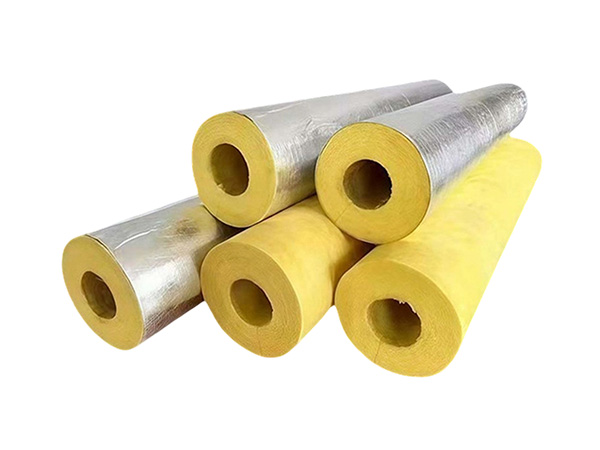
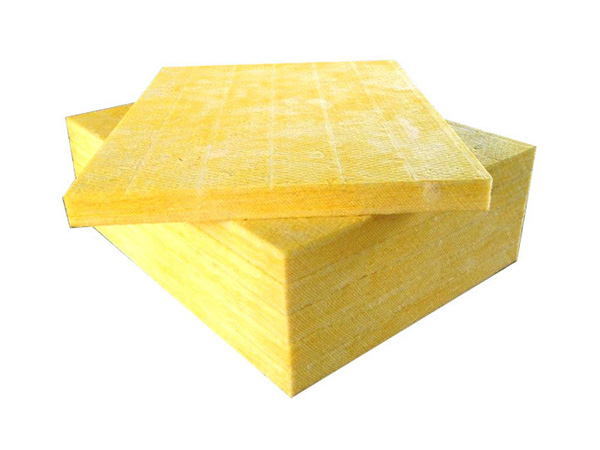
As a mineral wool product, it is commonly available in rolls, blankets, boards, and pipe sections depending on application requirements.
How glass wool insulation works
The effectiveness of glass wool insulation is based on trapped air within its fiber network. Air is a poor conductor of heat, so restricting air movement reduces thermal transfer through conduction and convection.
This principle allows the material to maintain stable temperatures in both residential and industrial environments.
Thermal performance and conductivity
One of the most important performance indicators is thermal conductivity. Glass wool insulation typically ranges between 0.023 and 0.040 W per meter Kelvin, making it highly efficient for reducing heat loss.
Lower conductivity values directly translate to better insulation performance and improved energy efficiency.
Acoustic insulation properties
Glass wool insulation also provides strong sound absorption due to its porous structure. Sound waves entering the material are dissipated within the fiber network, reducing noise transmission.
This makes it particularly effective for commercial buildings, mechanical rooms, and acoustic control systems.
Fire resistance and safety
As an inorganic material, glass wool insulation is non-combustible and suitable for fire-rated applications. It can withstand temperatures up to several hundred degrees Celsius without contributing to flame spread.
This property is critical for HVAC systems, industrial pipelines, and building safety compliance.
Moisture resistance and durability
Glass wool fibers are naturally hydrophobic and do not absorb water directly. However, moisture trapped in air pockets may impact performance if not properly managed.
Using vapor barriers or protective facings is recommended in humid or condensation-prone environments.
Types of glass wool insulation
Different forms of glass wool insulation are designed for specific applications:
Blankets for flexible coverage
Boards for structural rigidity
Pipe sections for thermal systems
Loose-fill for irregular spaces
Each type provides tailored performance depending on installation conditions.
Installation considerations
Glass wool insulation is lightweight and easy to handle, allowing efficient installation in large-scale projects. It can be cut and shaped on-site without specialized tools.
Proper installation ensures consistent thermal performance and long-term reliability.
Applications across industries
Glass wool insulation is widely used in:
Building walls and roofs
HVAC duct systems
Industrial equipment insulation
Acoustic control systems
Its versatility makes it a preferred solution across multiple sectors.
Environmental and sustainability aspects
Modern glass wool insulation is often produced using recycled glass and energy-efficient processes. This reduces environmental impact while maintaining high performance standards.
It also contributes to energy savings by reducing heating and cooling demand.
Conclusion
Glass wool insulation complete guide for beginners shows that this material offers a balanced combination of thermal efficiency, acoustic control, fire safety, and ease of installation, making it a reliable choice for modern insulation systems.
References
Kim KW et al. Material properties of glass wool insulation
Connor N. Thermal and acoustic properties of glass wool
Saint Gobain Technical Insulation Documentation
NCBI Glass Fiber Safety Profile