



Glass wool pipe uses and benefits guide
Glass wool pipe uses and benefits guide begins with understanding its critical role in maintaining thermal efficiency and system stability in industrial and HVAC piping systems.
What is glass wool pipe
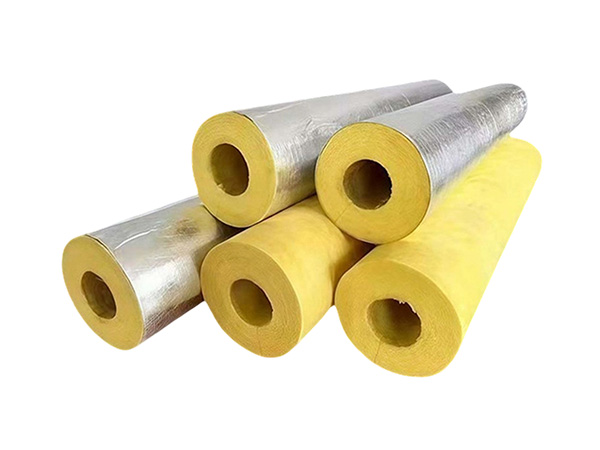
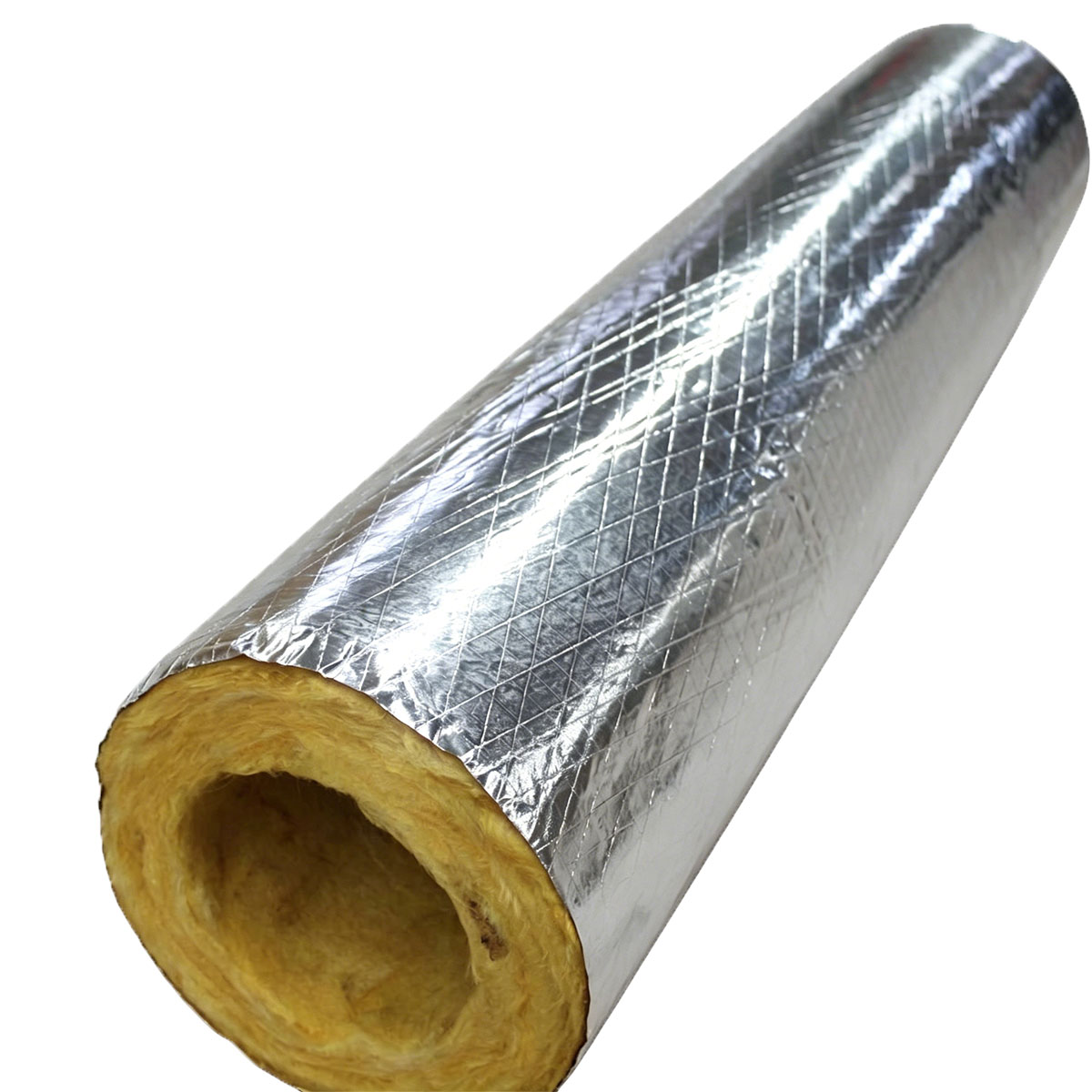
Glass wool pipe is a preformed cylindrical insulation product specifically engineered for pipe insulation applications. It is manufactured by processing glass fibers into a dense yet lightweight structure and shaping them into rigid pipe sections.
This design ensures a tight fit around pipelines, providing uniform insulation coverage and minimizing thermal loss.
Thermal efficiency in piping systems
One of the primary advantages of glass wool pipe is its ability to reduce heat transfer in fluid transport systems.
By maintaining consistent temperature conditions along the pipeline, it significantly improves energy efficiency and reduces system load.
Condensation control and moisture prevention
Condensation is a major concern in chilled water and refrigeration systems. Glass wool pipe helps maintain pipe surface temperature above the dew point, effectively preventing condensation formation.
This reduces the risk of corrosion under insulation and extends the lifespan of the piping system.
Energy savings and operational efficiency
Using glass wool pipe insulation directly contributes to lower energy consumption. Reduced heat loss translates into improved system performance and decreased operational costs.
This is especially important in large-scale industrial facilities and commercial HVAC systems.
Fire resistance and safety performance
Glass wool pipe is non-combustible and provides reliable fire resistance. Its inorganic composition allows it to withstand high temperatures without contributing to flame spread.
This makes it suitable for applications where fire safety compliance is essential.
Acoustic and vibration control
Glass wool pipe also offers sound absorption properties, helping reduce noise generated by fluid flow and mechanical vibration.
This is beneficial in environments where noise reduction is required for operational or regulatory reasons.
Installation advantages
Preformed glass wool pipe sections are designed for easy installation.
They can be quickly applied to pipelines with minimal cutting, ensuring tight joints and consistent insulation coverage.
This reduces installation time and labor costs.
Industrial applications
Glass wool pipe is widely used in:
HVAC piping systems
Power generation plants
Chemical processing facilities
Oil and gas industries
These sectors require insulation materials that deliver consistent performance under demanding conditions.
Long term performance and durability
Glass wool pipe maintains its structural integrity and insulation performance over time when properly installed and protected.
Its durability ensures stable operation and reduced maintenance requirements in long-term use.
Conclusion
Glass wool pipe uses and benefits guide demonstrates that this product is an essential solution for improving thermal efficiency, preventing condensation, and ensuring long-term reliability in modern piping systems.
References
Incropera FP et al. Fundamentals of Heat and Mass Transfer
Asdrubali F et al. Thermal performance of fibrous insulation materials
ISO 8497 Thermal insulation determination of heat loss in pipes
EN 14303 Thermal insulation products for building equipment