



Glass wool strip applications in industrial insulation
Glass wool strip applications in industrial insulation are essential for addressing complex insulation requirements in irregular and high-demand environments.
What is glass wool strip
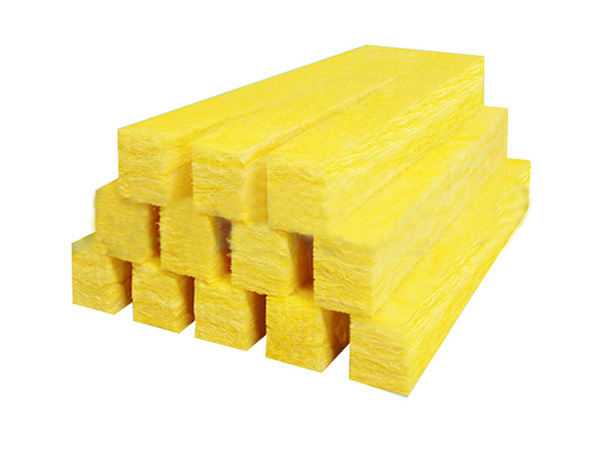
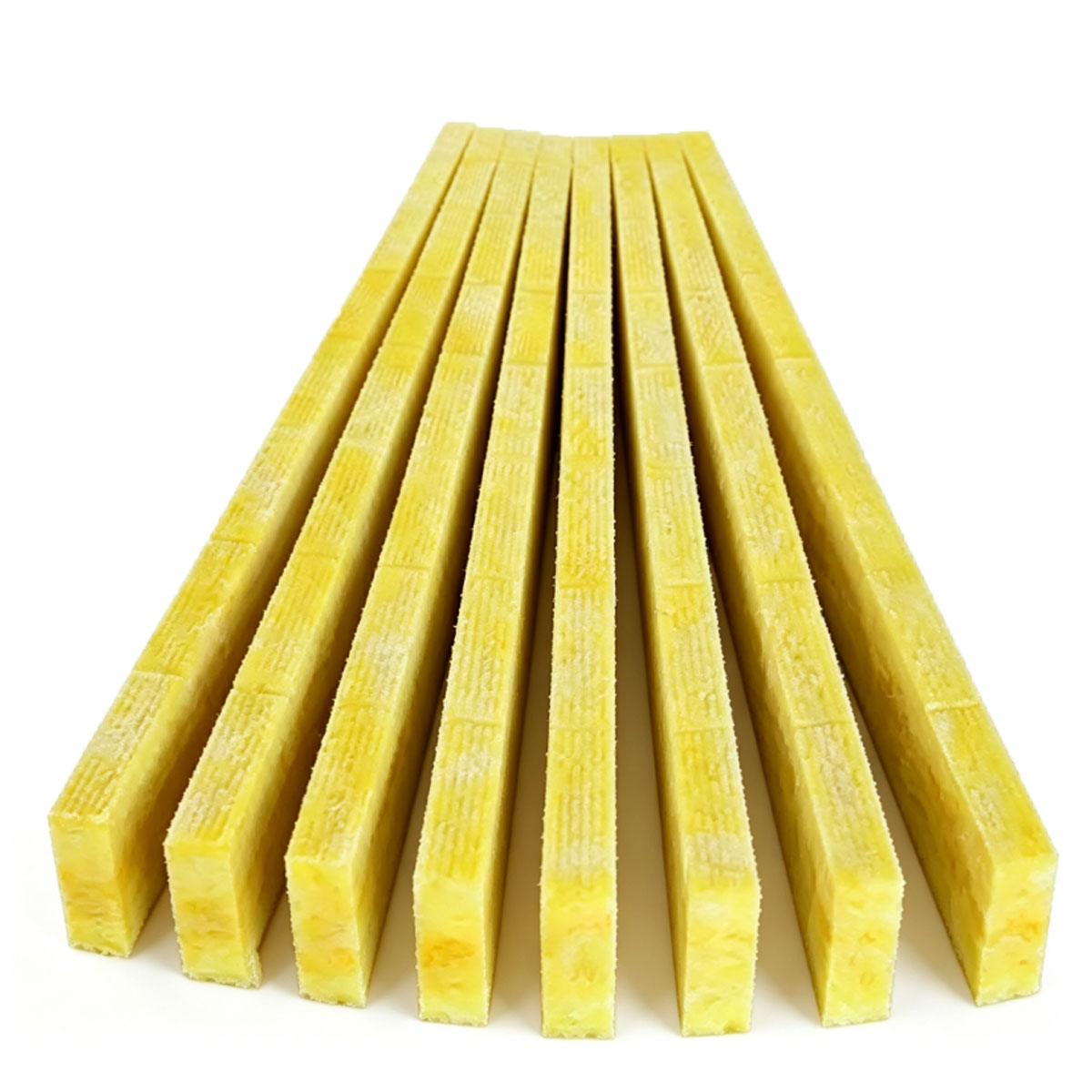
Glass wool strip is a narrow and flexible form of glass wool insulation designed for sealing, wrapping, and filling gaps in insulation systems.
Its compact form allows precise application in tight or irregular spaces.
Flexibility for complex geometries
Unlike rigid insulation materials, glass wool strip can be easily shaped and fitted into corners, joints, and uneven surfaces.
This makes it ideal for industrial equipment with complex designs.
Thermal insulation performance
Despite its smaller size, glass wool strip maintains the same thermal insulation properties as other glass wool products.
The fiber structure ensures low thermal conductivity and effective heat resistance.
Sealing and gap filling applications
Glass wool strip is often used to fill insulation gaps that could otherwise lead to thermal bridging.
Proper sealing improves overall system efficiency and performance.
Acoustic insulation benefits
The fibrous structure also provides sound absorption, reducing noise leakage in industrial environments.
This is particularly useful in machinery and mechanical systems.
Fire resistance characteristics
Glass wool strip retains the non-combustible properties of glass wool materials, making it suitable for fire-resistant insulation systems.
Ease of installation
Installation is simple and does not require specialized tools.
The strips can be cut and applied quickly, improving efficiency on-site.
Industrial use cases
Common applications include:
Equipment insulation joints
Duct connections
Pipe fittings
Machinery enclosures
These areas require precise insulation solutions that standard materials cannot provide.
Compatibility with other insulation systems
Glass wool strip is often used alongside blankets and boards to complete insulation systems.
This ensures continuous thermal protection across all surfaces.
Conclusion
Glass wool strip applications in industrial insulation demonstrate its value as a flexible and efficient solution for sealing, thermal control, and system optimization.
References
Glass Wool Material Performance Studies
Thermal Engineering Insulation Analysis
Industrial Insulation Application Reports