



What is rock wool board
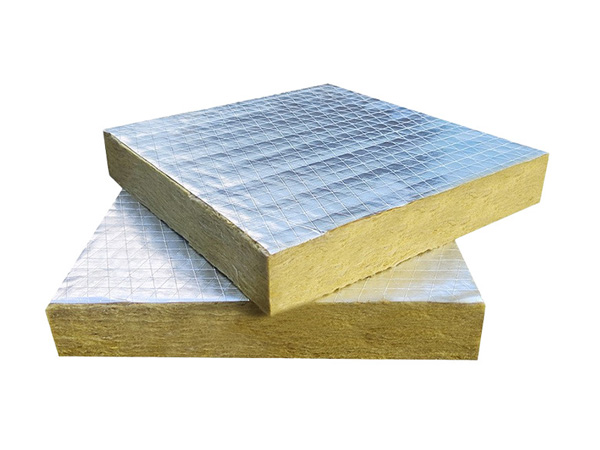
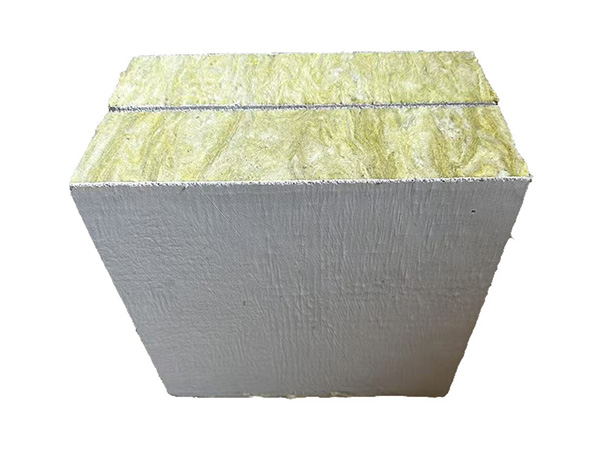
Rock wool board is a rigid insulation material manufactured by melting natural basalt rock at high temperatures and spinning it into fine fibers, which are then compressed into dense boards.
This structure creates a stable and durable insulation panel suitable for walls, roofs, and industrial equipment.
Thermal insulation performance
Rock wool board is widely recognized for its low thermal conductivity and high insulation efficiency.
Its fibrous structure traps air and reduces heat transfer, making it effective for maintaining indoor temperature stability and reducing energy consumption.
Fire resistance characteristics
Fire safety is one of the most critical advantages of rock wool board.
As a non-combustible material, it can withstand temperatures above 1000 degrees Celsius without contributing to flame spread, making it ideal for fire-rated systems.
Acoustic insulation capability
The porous fiber structure of rock wool board provides excellent sound absorption performance.
It reduces noise transmission by dissipating sound waves within the material, making it suitable for commercial buildings and industrial facilities.
Moisture resistance and durability
Rock wool board demonstrates good resistance to moisture and environmental changes.
Studies show that it maintains stable performance under humid and high-temperature conditions, ensuring long-term reliability in building applications.
Mechanical strength and stability
Compared with flexible insulation materials, rock wool board offers higher compressive strength and dimensional stability.
This allows it to be used in structural insulation systems such as curtain walls and external insulation systems.
Application in building systems
Rock wool board is widely used in:
External wall insulation
Curtain wall systems
Roof insulation
Fire barrier systems
These applications require both thermal efficiency and fire safety.
Application in industrial systems
In industrial environments, rock wool board is used for:
Equipment insulation
Boilers and furnaces
Power plants
Its ability to withstand high temperatures makes it suitable for demanding conditions.
Environmental and sustainability aspects
Rock wool is produced from natural rock and often includes recycled materials, making it an environmentally friendly insulation solution.
It contributes to energy efficiency and reduces carbon emissions in building operations.
Selection considerations
Choosing the right rock wool board involves evaluating density, thickness, and application requirements.
Higher density improves strength, while lower density enhances thermal insulation performance.
Conclusion
Rock wool board complete guide for insulation applications shows that this material delivers a balanced combination of fire resistance, thermal efficiency, durability, and acoustic performance, making it a reliable choice for both construction and industrial insulation systems.
References
Nagy B et al. Durability of mineral wool insulation
Lu G. Rock wool performance under humid conditions
ROCKWOOL technical data and research
Construction material studies on rock wool composites