



Rock wool blanket uses and benefits for thermal insulation
Rock wool blanket uses and benefits for thermal insulation highlight its role as a flexible and efficient solution for complex insulation environments.
What is rock wool blanket
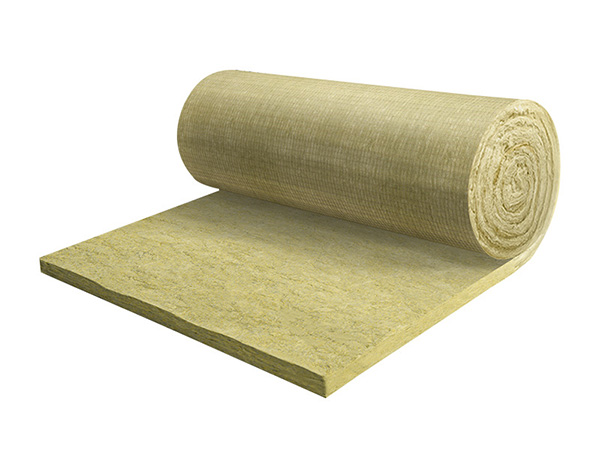
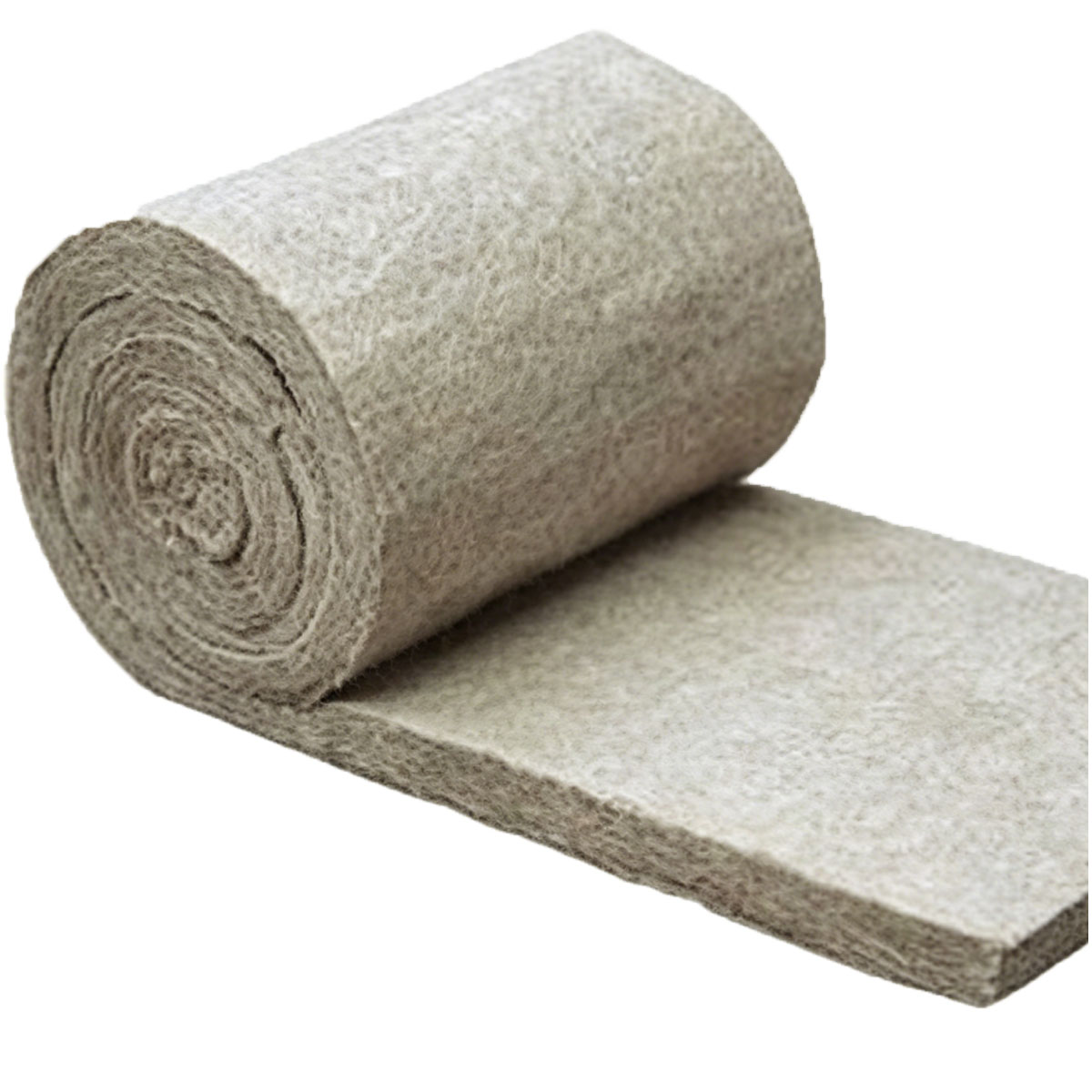
Rock wool blanket is a flexible insulation material made from mineral fibers, designed to wrap around irregular surfaces such as ducts and equipment.
Flexibility in insulation systems
The primary advantage of rock wool blanket is its flexibility.
It can adapt to uneven surfaces, ensuring continuous insulation coverage without gaps.
Thermal insulation performance
Rock wool blanket provides effective thermal resistance by trapping air within its fiber structure.
This reduces heat loss and improves system energy efficiency.
Fire resistance properties
Like other rock wool products, blankets are non-combustible and suitable for fire protection systems.
They maintain structural integrity under high temperatures.
Acoustic insulation benefits
The fibrous structure allows rock wool blanket to absorb sound, reducing noise transmission in mechanical systems.
Installation efficiency
Rock wool blankets are lightweight and easy to install, reducing labor costs and installation time.
Industrial applications
Common uses include:
HVAC duct insulation
Pipe wrapping
Equipment insulation
Durability and long term performance
Rock wool blanket maintains its insulation performance over time when properly installed and protected.
Conclusion
Rock wool blanket uses and benefits for thermal insulation demonstrate its effectiveness as a flexible, high-performance insulation solution.
References
Mineral wool insulation studies
Thermal insulation material research