



Smoke exhaust systems are critical life safety installations in commercial buildings, designed to maintain tenable conditions in escape routes during fire events by controlling smoke movement, temperature, and visibility. These systems operate under extreme conditions—elevated temperatures, direct fire exposure, and high air velocity smoke extraction—that demand insulation materials with exceptional fire performance, thermal stability, and durability. Rock wool board is the preferred insulation material for smoke exhaust system applications due to its non-combustibility, high-temperature resistance, and proven performance under fire conditions.
Smoke Exhaust System Operating Conditions
Understanding the demanding conditions within smoke exhaust system ductwork and equipment during a fire event is essential for correct insulation specification. Key operating conditions include duct surface temperatures reaching 200-400°C during smoke extraction phases, short-term exposure to temperatures exceeding 600°C near fire compartment penetrations, thermal cycling as the fire develops and is brought under control, mechanical vibration and pressure fluctuations from fan operation, and potential exposure to firefighting water streams.
Rock wool board maintains its structural integrity and insulation function under all these conditions—unlike glass wool, which softens at approximately 600°C, or plastic foam materials, which melt, drip, or combust at much lower temperatures.
Fire Resistance Requirements for Smoke Exhaust Ducts
Smoke exhaust system ductwork must maintain its structural integrity and insulation function during the design fire duration, typically 60, 90, 120, or 240 minutes depending on building height, occupancy type, and applicable building codes. Rock wool board insulation enables fire-rated duct constructions through non-combustible construction (A1 classification prevents flame spread), thermal barrier function that protects sheet metal from reaching its softening temperature during the design fire duration, and smoke temperature reduction that improves conditions for occupants and firefighters.
Specification Standards and Classification
Rock wool board products for smoke exhaust system applications should comply with EN 12101-1 (Europe, classifying duct fire resistance from E 60 to E I 240), UL 1978 (North America, for grease duct enclosures), and BS 476 (UK, fire tests on building materials and structures). When specifying rock wool board for smoke exhaust system applications, confirm that the specific product and installation system carries the required fire resistance classification from an accredited testing laboratory.
Duct Board and Wrap Systems
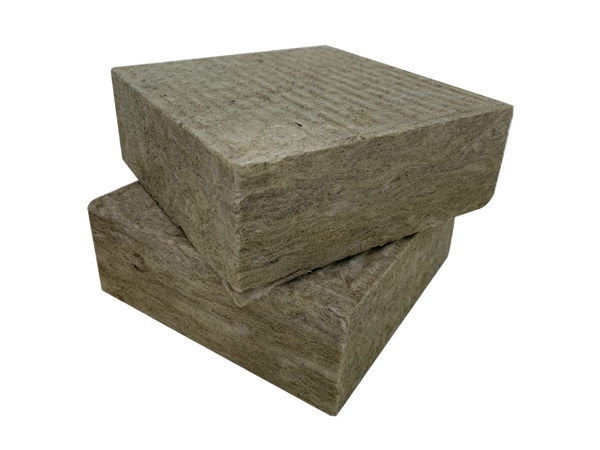
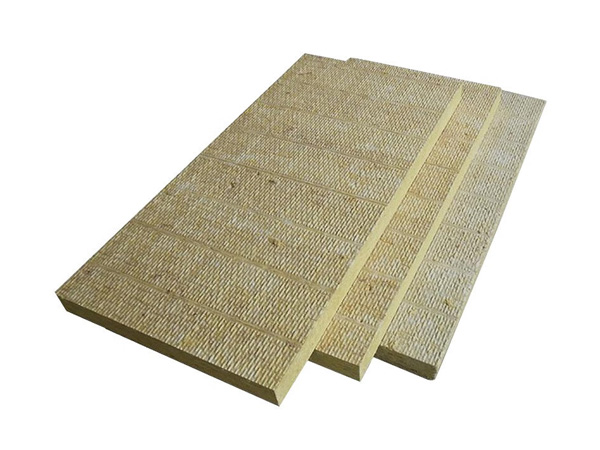
Rock wool board products for smoke exhaust system ductwork are available in configurations optimized for rectangular and circular duct construction. High-density rock wool board (80-150 kg/m³) with aluminum or stainless steel facing is used to construct fire-rated rectangular smoke exhaust ducts. For circular ducts, rock wool board pipe sections or wrap systems insulate circular smoke exhaust ducts with board products wrapped and secured with steel bands. Rock wool board shaft lining systems create fire-rated smoke exhaust shafts within building structures.
Installation Critical Points
Installation quality is critical for smoke exhaust system fire performance. Rock wool board joints must be continuous with no gaps exceeding 3 mm, sealed with approved fire-rated sealant. Joints should be staggered to avoid creating continuous thermal bridges. Penetrations through fire-rated shaft walls require fire-rated sealing systems that maintain the wall's fire resistance classification. Support systems for fire-rated ductwork must maintain their load-carrying capacity at elevated temperatures—specify fire-rated duct support systems rated for the same fire resistance period as the duct assembly.
Maintenance and Inspection
Smoke exhaust system insulation should be inspected annually and after any modification or maintenance work. Key inspection points include visual assessment for damage, compression, or gaps; verification of joint seal integrity; and checking of support system condition. Damaged insulation must be repaired using approved materials and methods to restore the system's fire rating.
Conclusion
Rock wool board is the definitive insulation choice for smoke exhaust system applications where fire resistance, high-temperature stability, and long-term durability are non-negotiable requirements. Correct specification combined with quality installation at critical junctions and penetrations ensures that smoke exhaust systems maintain their life safety function throughout the design fire event.
References
1. EN 12101-1:2003+A1:2012, "Smoke and Heat Control Systems — Part 1: Specification for Natural Smoke and Heat Exhaust Ventilators," European Committee for Standardization, Brussels, 2012.
2. EN 1366-1:2014, "Fire Resistance Tests for Service Installations — Part 1: Ducts," European Committee for Standardization, Brussels, 2014.
3. UL 1978, "Standard for Grease Ducts," Underwriters Laboratories, Northbrook, IL, 2016.
4. NFPA 92B, "Standard for Smoke Management Systems in Malls, Atria, and Large Spaces," National Fire Protection Association, Quincy, MA, 2021.
5. Klingsch, E.W.H. (2017). "Smoke control in high-rise buildings: Design principles and system integration." Fire Technology, 53(2), 489-510.